
Gems And Diamonds In Royal Jewelry
Gold has occupied a position of unmatched prestige in royal jewelry for thousands of years. Across civilizations, gold was crafted and worn not merely as ornamentation, but as a powerful symbol of authority, permanence, and divine favor. Its natural luster, resistance to corrosion, and rarity made it the ideal material to express sovereignty and eternal rule. In many ancient cultures, gold was believed to be the metal of the gods, linking kings and queens to celestial power and reinforcing the idea that royalty ruled by divine right. The Kaisilver team has compiled this report on royal jewelry and the preference for gemstones and diamonds, from specific origins.
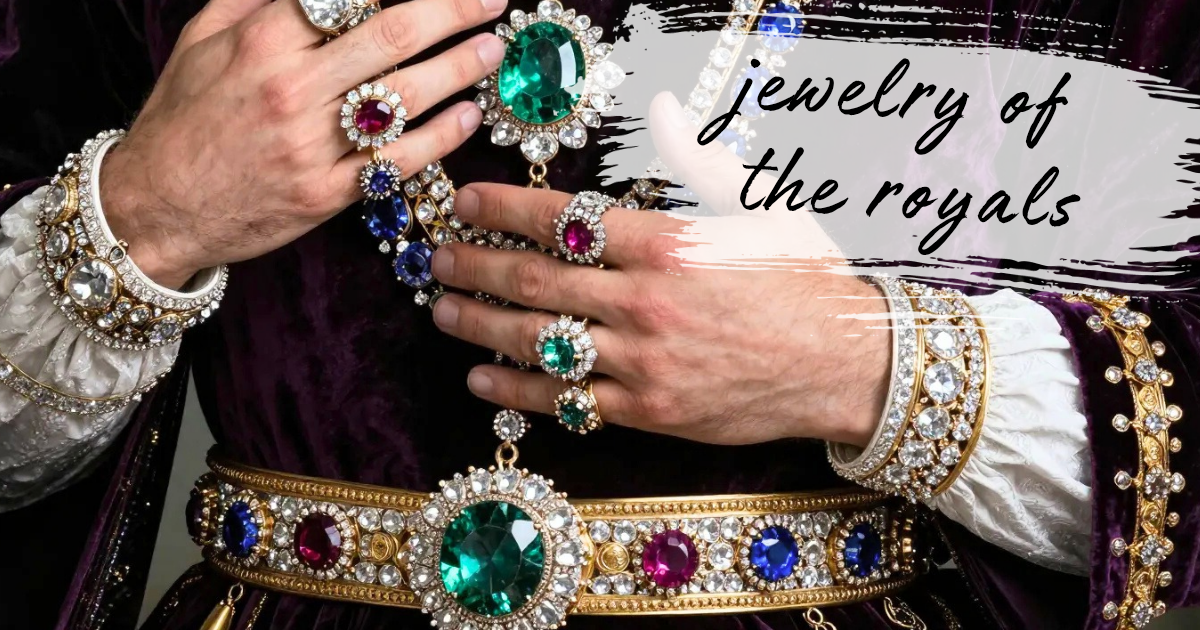
In early civilizations such as Ancient Egypt, gold was directly associated with divinity. The pharaohs were considered living gods, and gold jewelry was an extension of that belief. Elaborate gold collars, crowns, amulets, and burial ornaments were crafted to accompany rulers into the afterlife. The funerary mask of Pharaoh Tutankhamun remains one of the most iconic examples, demonstrating how gold symbolized immortality and divine protection. Similar beliefs existed in ancient Mesopotamia and among the Incas, where gold was seen as the “sweat of the sun” and reserved largely for rulers and temples. Egyptian jewelry designs are popular among jewelry lovers even today. Symbols like the 'ankh' and 'horus eye' are requested by men, in the form of etchings on men's rings, pendants and bracelets.
As royal courts evolved, gold jewelry became increasingly sophisticated, both in craftsmanship and symbolism. While early royal gold ornaments relied primarily on form and metalwork, later periods saw the integration of precious gemstones. These stones were not chosen randomly. Beyond beauty, rarity, and durability, gemstones carried symbolic meanings and political significance. Possessing the finest gemstones from famed origins reinforced a ruler’s global influence, access to trade networks, and control over wealth. Gemstone experts from Kaisilver mention that, there were periods in history when a single origin was known for certain gemstones. For examples Colombia was the primary source for emeralds for centuries, it was only much later that Brazilian emeralds were extracted. Another classic example would be diamonds from the Golconda mines in India, other sources in Africa and other regions came much later.
GOLCONDA DIAMONDS
Diamonds became one of the most coveted stones in royal jewelry, particularly after the rise of the Golconda mines in India. For centuries, Golconda was the world’s most important source of diamonds, producing stones of exceptional clarity and purity. These diamonds found their way into the treasuries of Mughal emperors, Persian shahs, and European monarchs. The Mughal emperors, such as Shah Jahan, were renowned for their extravagant use of Golconda diamonds, rubies, and emeralds. The Peacock Throne, commissioned by Shah Jahan, was adorned with some of the most extraordinary gemstones known at the time, symbolizing imperial authority and divine kingship.
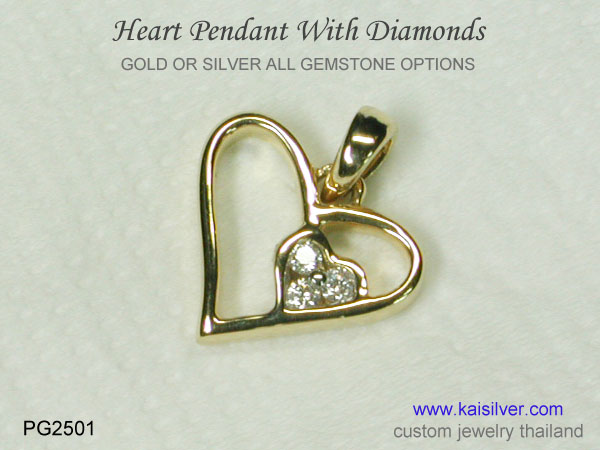
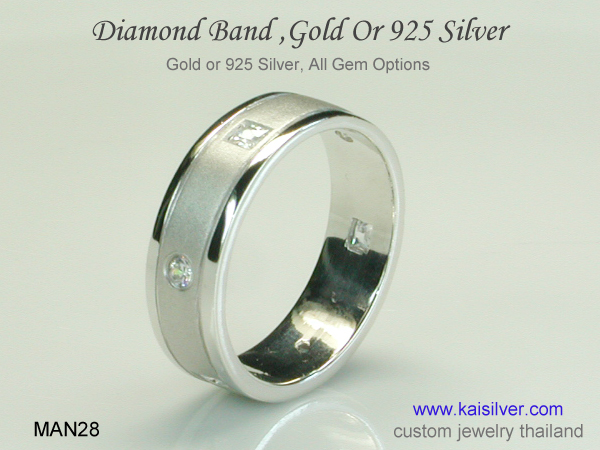
European royalty also prized Golconda diamonds. The French Crown Jewels included several notable Golconda diamonds, most famously the Regent Diamond, acquired during the reign of Louis XV. The stone became a symbol of the French monarchy’s power and prestige, worn during coronations and state ceremonies. Similarly, British royal jewelry incorporated Golconda diamonds, reflecting both wealth and the reach of the British Empire.
Diamonds from the Golconda diamonds are classified as Type IIa and Type IIb diamonds. Type IIa Golconda diamonds deliver scintillating white (colorless) diamonds and an extremely small number of pink diamonds. This category of diamonds have very low or no nitrogen present in them. Type IIb diamonds from the Golconda mines, deliver rare and highly sought after blue diamonds. This color is derived by the presence of a small amount of boron in the diamonds.
RUBIES FROM BURMA
Rubies from Burma, now Myanmar, were equally revered in royal circles. Burmese rubies, particularly those with a vivid “pigeon’s blood” red color, were believed to possess protective and life-giving qualities. In many Asian cultures, rubies symbolized vitality, courage, and royal authority. Burmese kings themselves adorned their crowns and ceremonial jewelry with rubies, while Indian maharajas and Siamese royalty actively sought these stones. The British Crown Jewels include several Burmese rubies, acquired through colonial connections, emphasizing their status as stones fit for kings.
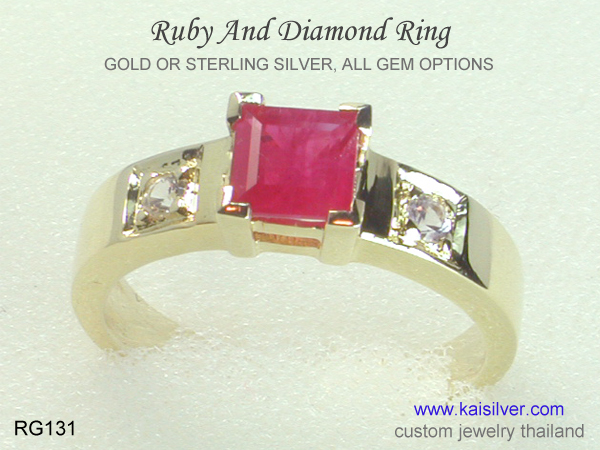
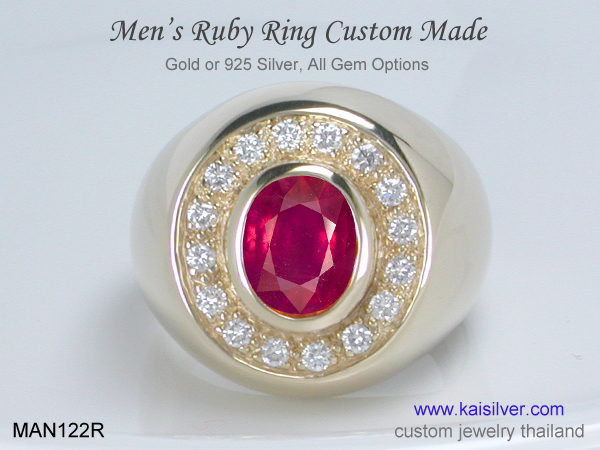
Kaisilver narrates an interesting fact related to 'rubies' from Burma. There have been quite a few cases in history where, red spinel gems were wrongly presumed to be ruby! Gemstone buyers at Kaisilver add that, spinel and corundum (ruby in this case) are found in the same vicinity. Spinel is found in a range of colors and pink and red spinels, happen to be extremely popular.
KASHMIR AND CEYLON SAPPHIRES
Sapphires, especially those from Kashmir and Ceylon (modern-day Sri Lanka), became associated with wisdom, divine favor, and moral authority. Kashmir sapphires, discovered in the late 19th century, were famed for their deep, velvety blue color and quickly became some of the most prized gemstones in the world. European royalty, including members of the British and Russian royal families, sought these sapphires for ceremonial and personal jewelry. The Russian Romanov dynasty, known for its lavish jeweled regalia, incorporated sapphires alongside diamonds to express both power and spiritual legitimacy.
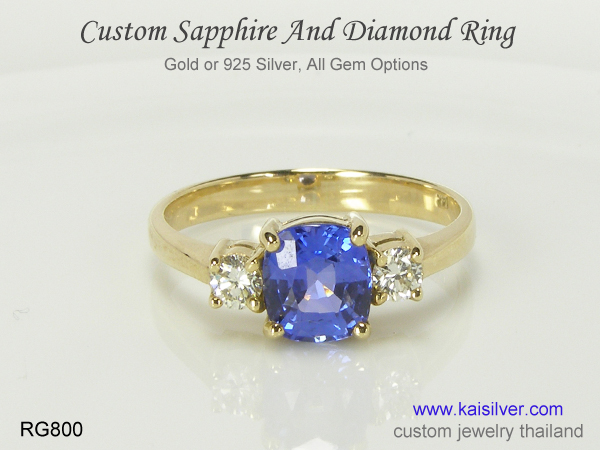
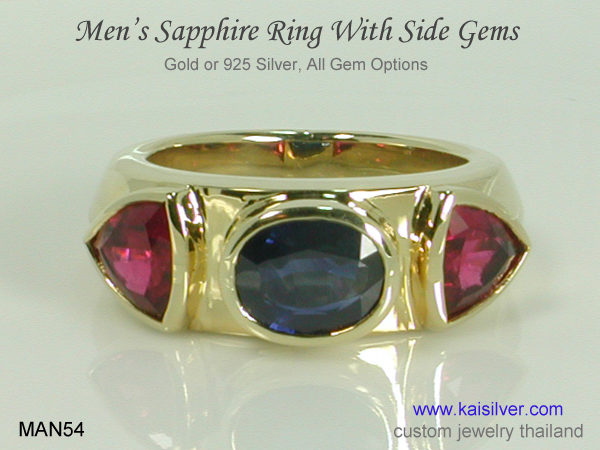
Kashmir blue sapphires have a loyal following among high budget collectors and knowledgeable jewelry lovers, with substantial budgets for the purchase of jewelry. Kaisilver gemstone experts add that, the first find of Kashmir sapphires provided the finest Kashmir sapphires, however the volume of sapphire at that location was fairly small. Commercial mining could there last for just a few decades. The sapphires in this location was discovered by accident. A massive avalanche in the region, revealed the presence of fine sapphires!
Ceylon sapphires, valued for their brilliance and range of blue hues, also found favor with royalty. Perhaps the most widely recognized example in modern times is the sapphire engagement ring worn by Princess Diana, now worn by Catherine, Princess of Wales. While dating from a later period, this jewel reflects the long-standing royal preference for sapphires from renowned origins. Sapphires from Ceylon (now Sri Lanka) have been extracted for a significant time, this proves the presence of a fairly large presence of sapphires in the region.
COLOMBIAN EMERALDS
Emeralds from Colombia completed the quartet of royal gemstones. Known for their intense green color and exceptional quality, Colombian emeralds were treasured by royalty in Europe, Asia, and the Middle East. The Mughal emperors were particularly fond of emeralds, often engraving them with inscriptions and religious texts. In Europe, Spanish royalty gained early access to Colombian emeralds following the conquest of South America, incorporating them into crowns, necklaces, and ceremonial ornaments. Russian Empress Catherine the Great was also famously enamored with emeralds, adding them extensively to the imperial collection.
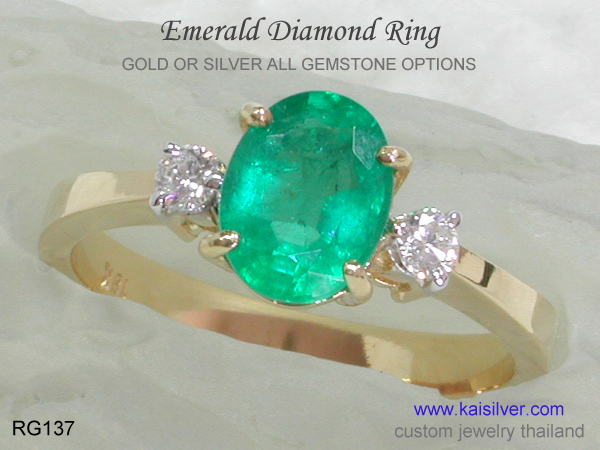
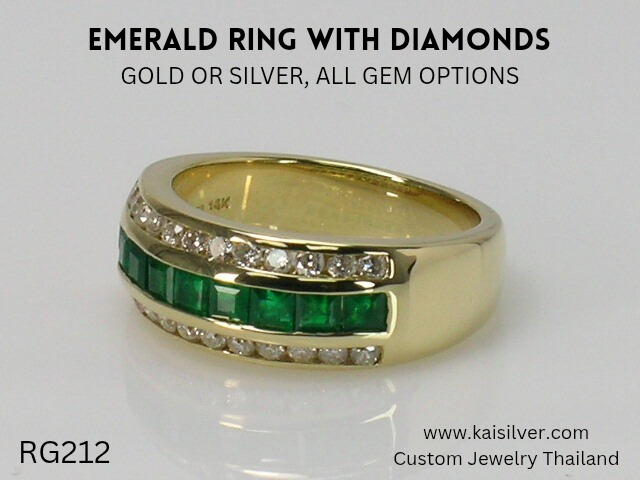
The discovery of emerald gemstones in Brazil, helped ease the pressure on Colombian emeralds. This however does not mean that, the demand for Colombian emerald gems has dropped. Emeralds from Colombia remain the most preferred choice but, the premium price assigned to these emerald gems, has encouraged gem and jewelry lovers to choose Brazlian emerald gemstones.
SYMBOLISM IN GEMS AND DIAMONDS
The emphasis on famed gemstone origins was not merely aesthetic. Owning diamonds from Golconda, rubies from Burma, sapphires from Kashmir or Ceylon, and emeralds from Colombia sent a powerful political message. It demonstrated access to distant lands, control over trade routes, and the ability to command the rarest natural treasures on earth. These jewels became instruments of diplomacy, gifts between monarchs, and symbols of alliances and conquest.
In conclusion, royal gold jewelry represents far more than decorative luxury. Crafted as symbols of power, wealth, authority, and divinity, these jewels embodied the very essence of kingship. The integration of legendary gemstones from famed origins elevated royal adornment to a global statement of dominance and refinement. Through gold and precious stones, royalty across centuries asserted their divine right to rule and left behind a legacy that continues to captivate the modern imagination.
NOTE
Jewelnice has no business interest in trading historic diamonds, gemstones or jewelry. The content in this report is shared for general information on developments, related to historic jewels. Collectors should stay informed about authentic news related to rare jewels like the historic Golconda diamonds. Acquisitions made from reputed auction houses like Sotheby's or Christie's, are considered to be safe in terms of authenticity and legality. This report is not meant to be a guide to investing in antiques or historic jewelry.